Skip to content

Archaeological Discoveries

Early Neolithic Farmhouses (c. 3700 BC)

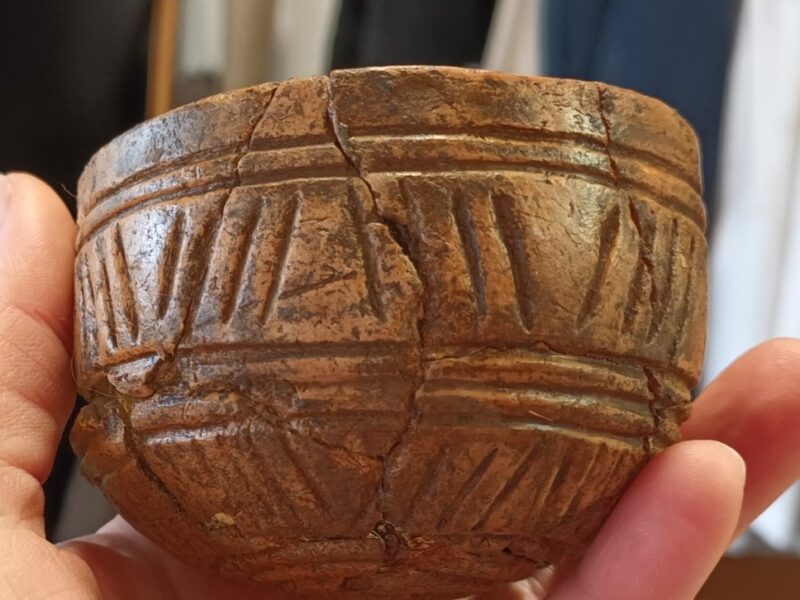
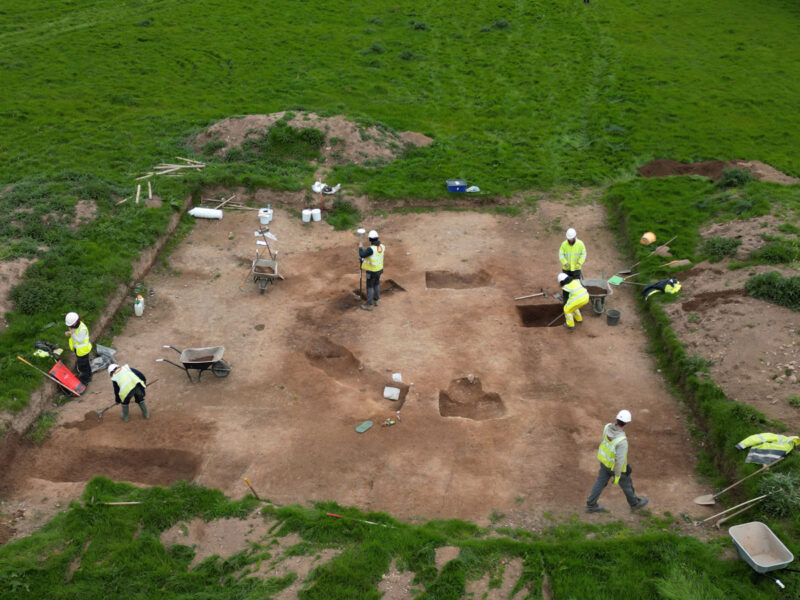
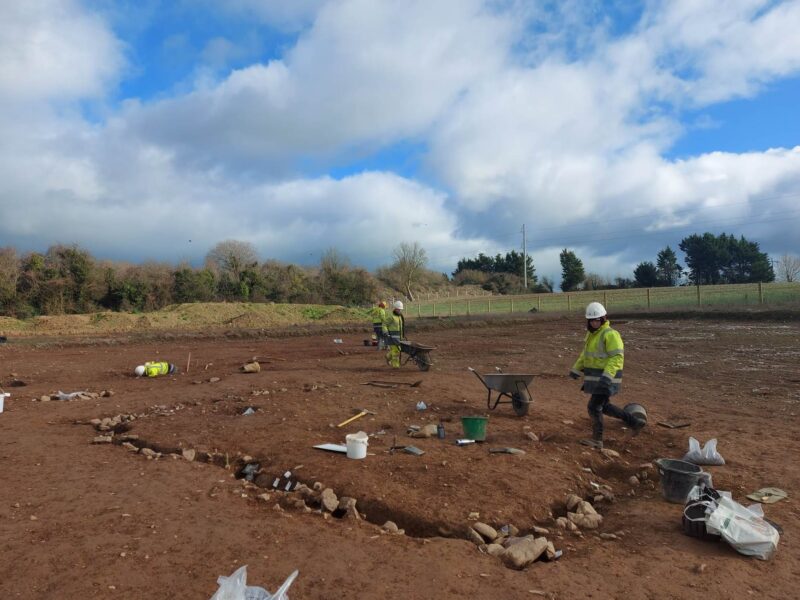
Situated on a plateau that overlooks the surrounding countryside, the site contained the foundation remains of at least one Early Neolithic house (possibly two) and a potential ancillary building. Stone tools including quartz crystal items, cereal grains including cultivation and Early Neolithic pottery were identified in the foundation trench of the house indicating that the site was likely the farmstead of an early prehistoric family, and likely one of the earliest farming families to have settled the area.
Read more

Prehistoric Houses at Barnahely and Raffeen

Two sites, at Barnahely 2 and Raffeen 2, contained what may prove to be Bronze Age roundhouses. Each was likely the home of a single-family unit who lived on the Ringaskiddy peninsula in prehistoric times. Only the post-holes remain to indicate the outline of the possible houses.

Read more

Bronze Age Grain Storage Pits (c. 2200-800 BC)

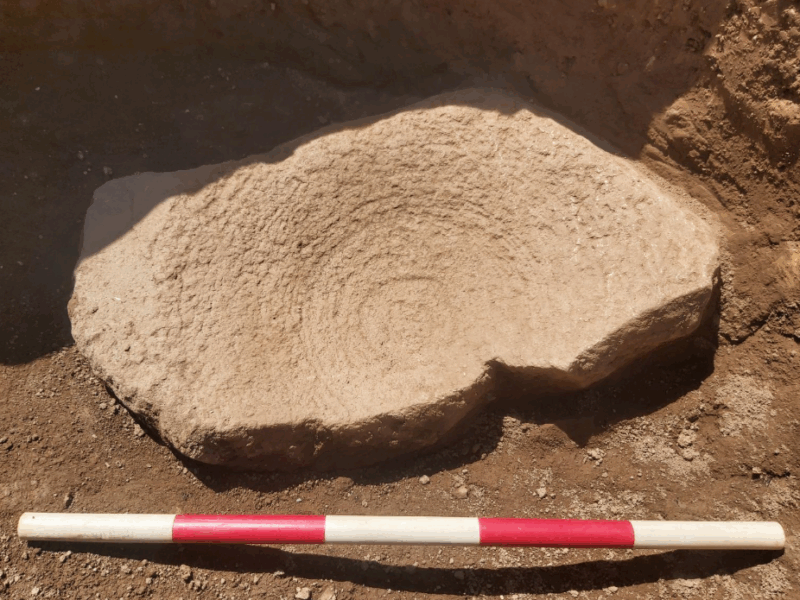
A concentration of suspected Bronze Age grain storage pits was discovered at Barnahely. These pits contained significant quantities of charred grain and a large number of quern stones, which would have been used to grind the grain to make flour. The number of querns and quern fragments points to relatively large scale grain processing, more than would be needed for a single family group.

Read more

Bronze Age Burnt Mounds (Fulachtaí Fia)

Several fulachtaí fia/burnt mounds were excavated across the scheme. A large example, a previously known site, was unearthed at Shannonpark. This site type typically dates to the Bronze Age. They are recognised as a mound or spread of heat-shattered stones and charcoal-rich soil, usually found in association with one or more troughs set in to the ground, and are generally found next a water source.

Read more

Bronze Age Cemetery and Early Medieval Enclosure (Carrigaline)

This was a multi-period site containing a Bronze Age flat cemetery with 13 cremations (including one urn cremation and two stone cists) and a suspected early medieval double-ditched (bi-vallate) enclosure. The urn cremation was block-lifted by a conservator, x-rayed off site and excavated in a lab.

Read more

Ring-Ditch with Cremated Remains (Bronze Age)

At this site archaeologists found the remains of a prehistoric ring-ditch, the contents of which included cremated remains, charred seeds and metal slag. Though not yet scientifically dated, this suspected burial monument is likely to be of Iron Age in date.
Read more

Early Medieval Cereal-Drying Kilns

Cereal-drying kilns were discovered at various sites. None of the examples have been dated, as yet, but such sites typically date to sometime from the Iron Age to the late medieval periods. Once harvested, grain had to be dried thouroughly prior to long term storage or processing. Otherwise it would develop mould and decay long before the winter had passed,
Read more

Early Medieval Enclosure Complex (Barnahely)

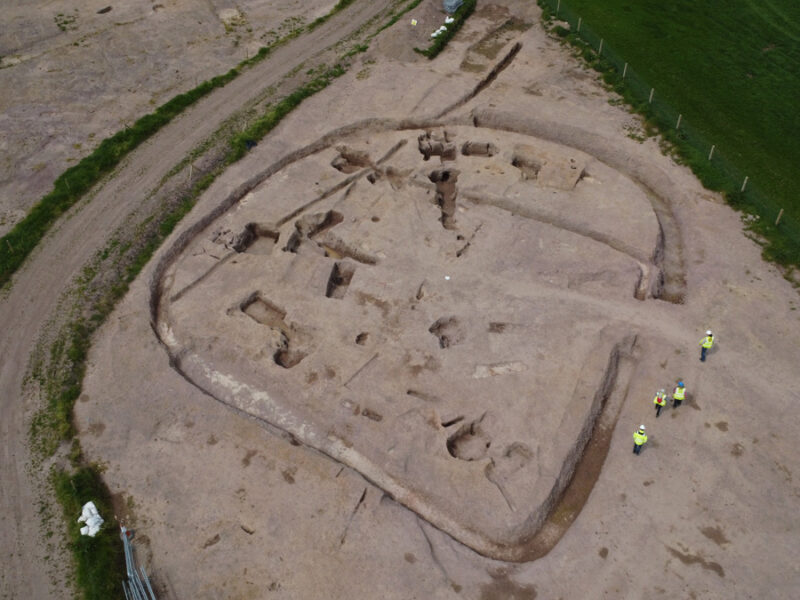
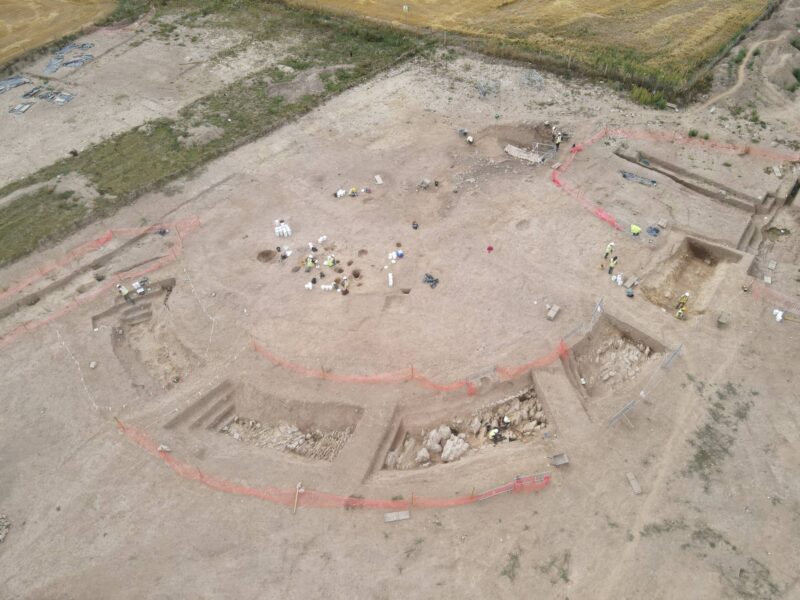
By far, the standout site from the M28 project is the multi-enclosure complex at Barnahely 2. Three ringforts, two containing souterrains, and a later enclosure and associated cereal-drying kiln were found. Ringforts are defended farmsteads of early mediaeval date. The souterrain (underground passage) within one of the ringforts appears to have utilised an underlying cave system.

Read more

Early Medieval House and Souterrain (Barnahely)

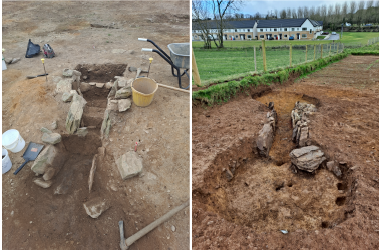
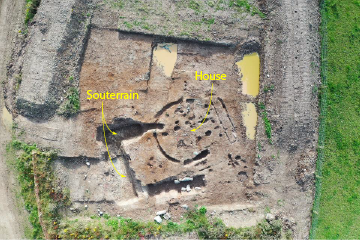
The principal features at the site comprised two sub-terranean chambers (probable souterrain) and the foundation remains of c. 6 m-diameter circular building, all likely dating to the early medieval period. An unusual rectilinear slot foundation was found to the south of the building, its function remains uncertain.
Read more

Large Charcoal Production Kiln (Ballyhemiken)

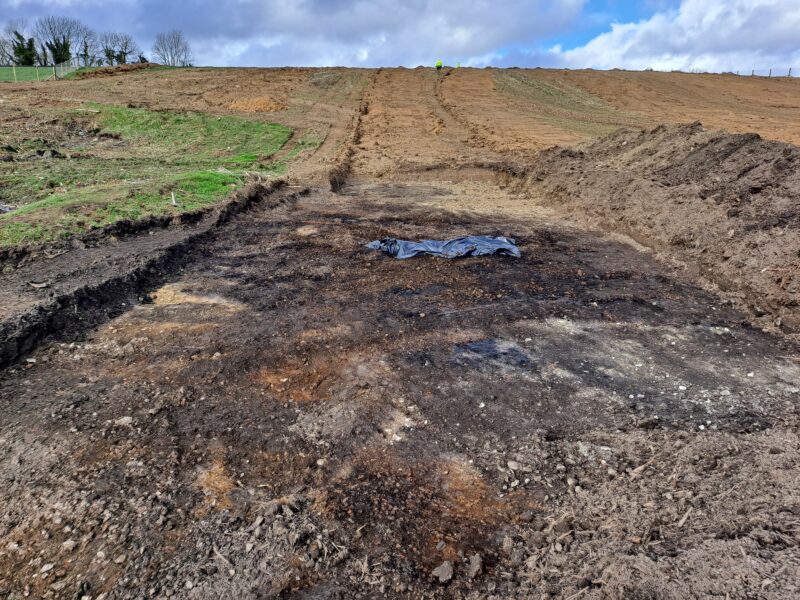
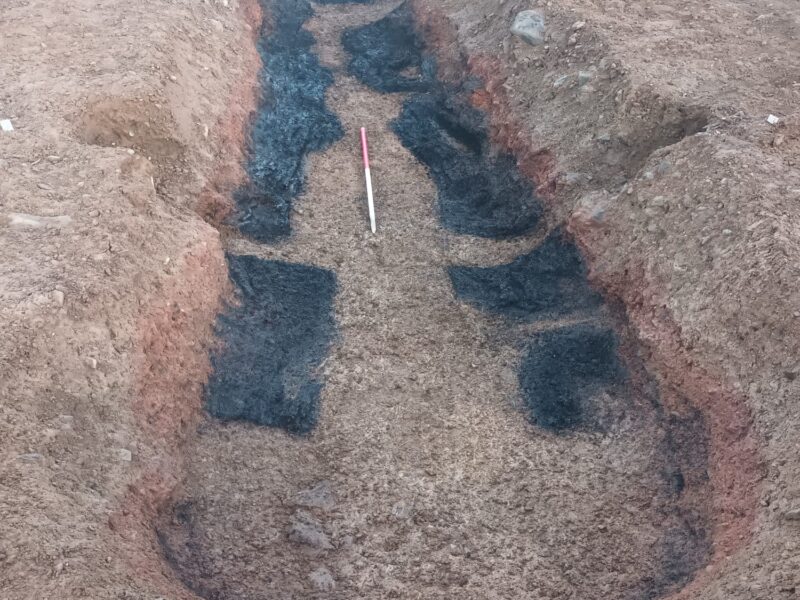
The most striking feature from the site was a large, elongated charcoal production pit. Measuring c. 15 m long, 2.5 m wide and 0.7 m deep, this example far exceeds the more typical size range for excavated examples of such features in Ireland.

Read more