Skip to content
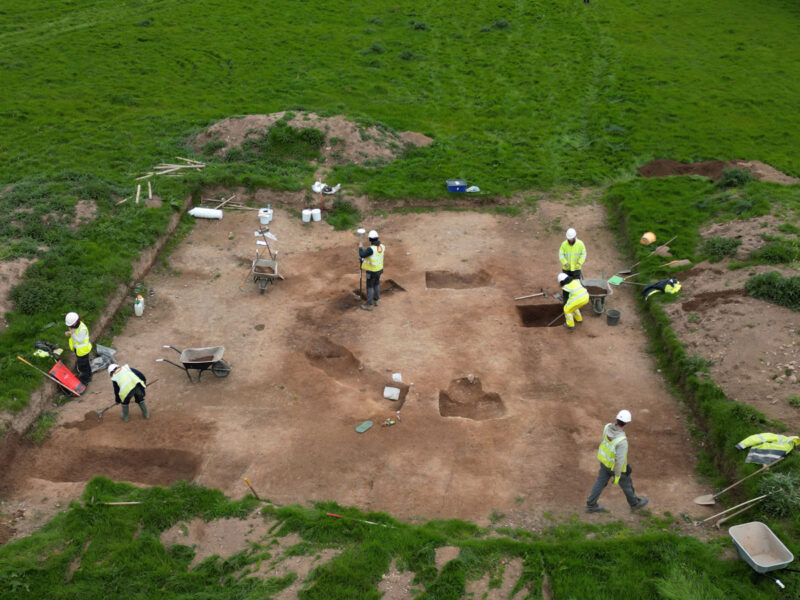
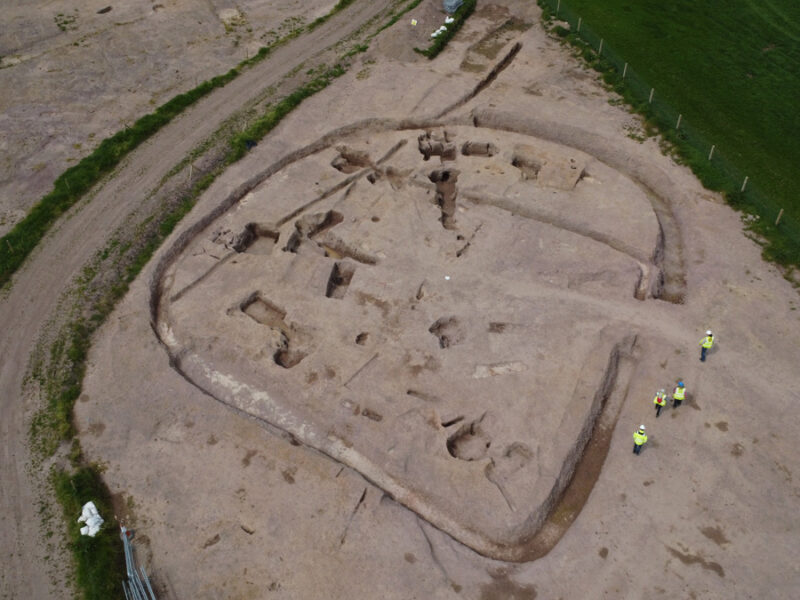
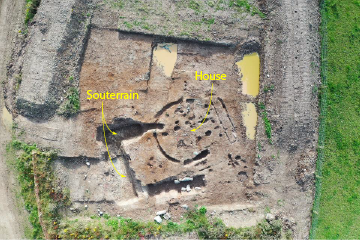
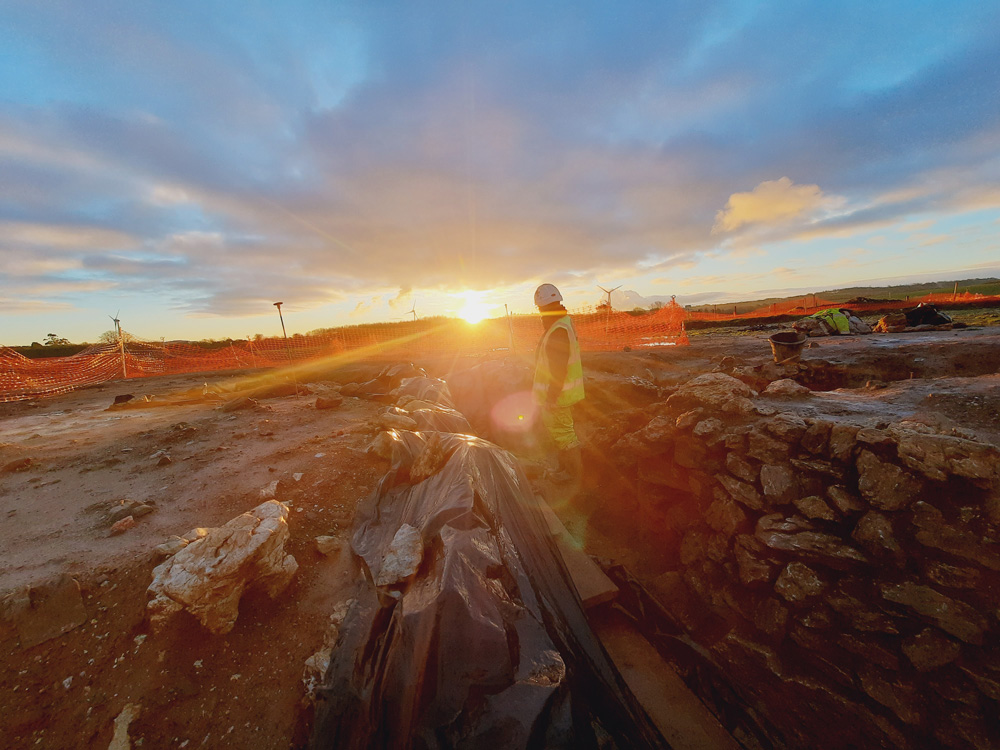
Dawn view of souterrain at Barnahely 2 (Rubicon Heritage)

M28 Archaeology

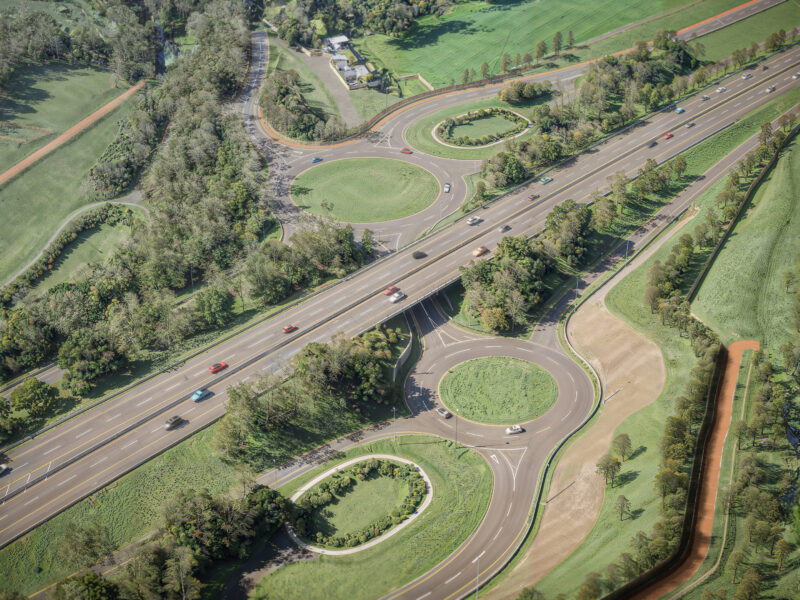
Major infrastructure projects like the M28 must assess and protect any archaeology that could be affected by construction. Even though only two sites were previously recorded along the route, the Environmental Impact Statement recognised the potential for undiscovered archaeology and required a full programme of testing and mitigation to de-risk the project and comply with national legislation.

To deliver this work in advance of the main construction contract, Cork County Council appointed specialist consultants — led by Rubicon Heritage Services Ltd — working under the oversight of the National Monuments Service and Transport Infrastructure Ireland’s Project Archaeologist. All investigations were undertaken under ministerial directions and in line with the national Code of Practice for Archaeology.

How We Investigate the Past: M28 Archaeology Explained

Desktop studies – Testing Phase – Excavation Phase – Post Excavation Analysis

01

Icon

Archaeological Surveys & Geophysics

“Understanding the Landscape Before Construction”

  • Desk-based assessment to review archaeological records, historic mapping and environmental constraints.
  • 76 hectares surveyed using magnetic and electrical-resistance geophysics
  • Built heritage and boundary surveys, including demesne features, dry-stone walls, vernacular buildings and a former railway alignment.
  • Townland boundary surveys along the M28 corridor.
  • In-water metal-detection surveys at 8 river and estuarine locations.

02

Icon

Archaeological Testing

“Revealing What Lies Beneath”

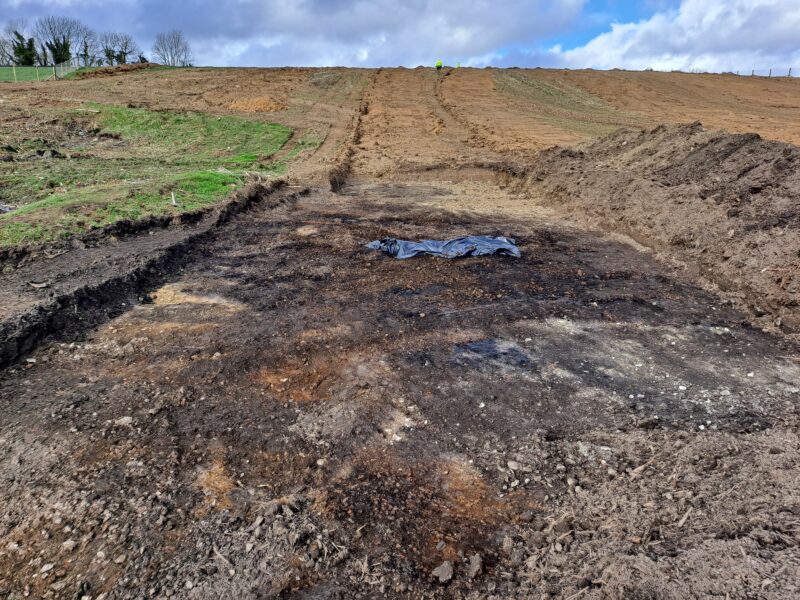
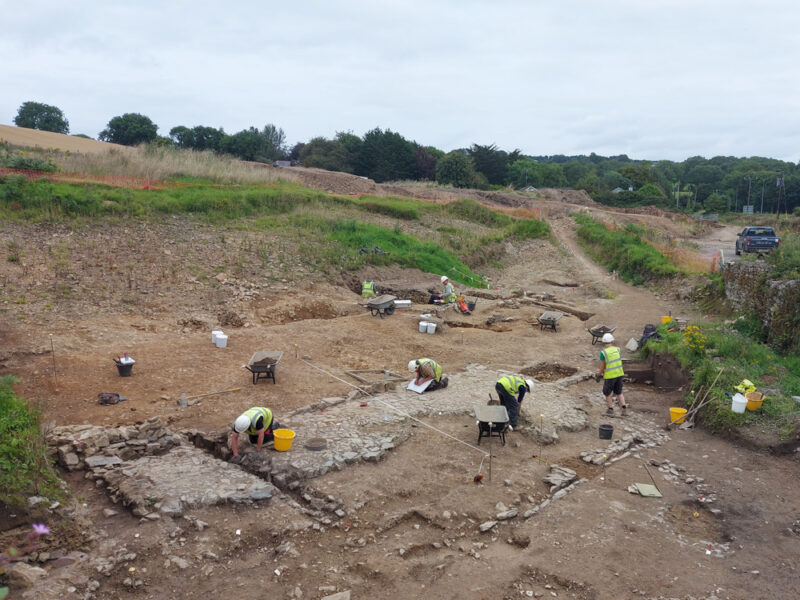
  • 55,500 linear metres of archaeological test trenches excavated
  • Standard methodology: a centreline trench with regular offset trenches, providing approximately 12% sample coverage across the route
  • 127 areas containing archaeological features identified and mapped, later consolidated into 38 Sites of Archaeological Potential
  • All works completed under full archaeological supervision, with features recorded, mapped and evaluated.

03

Icon

Excavation of Archaeological Sites

“Uncovering 8,000 Years of Human Activity”

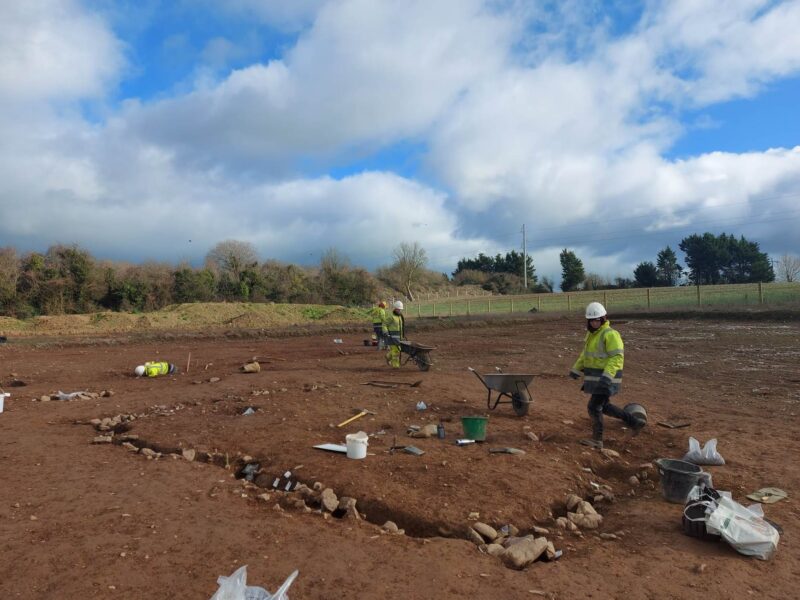
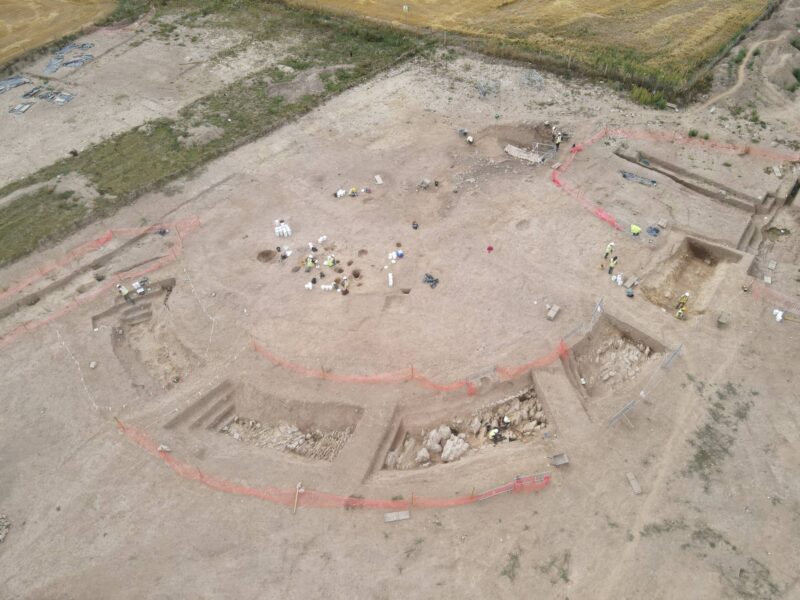
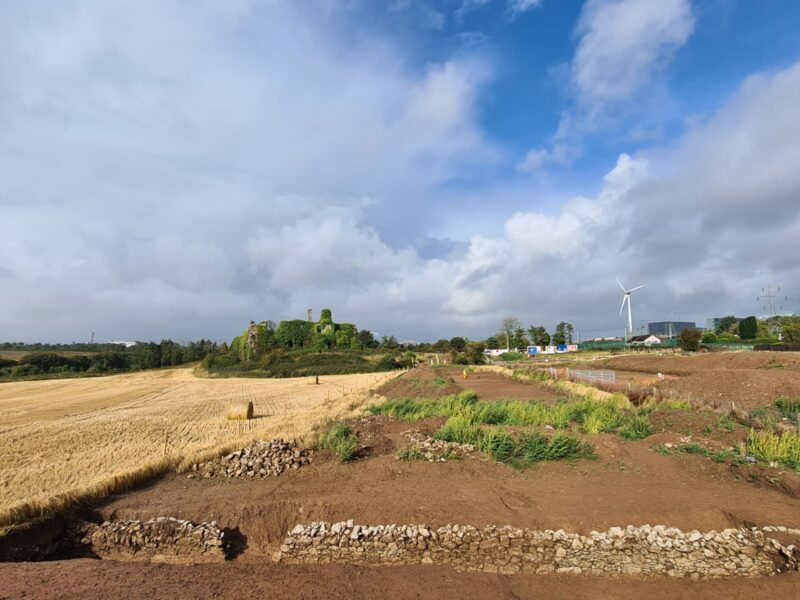
  • Excavations took place from early 2022 to late 2024 with 38 archaeological sites fully excavated along the M28 route.
  • Evidence uncovered from multiple periods, including:
    • Early Prehistoric activity
    • Bronze Age / Iron Age settlement and ritual activity
    • Early Medieval and Medieval occupation
    • Post-medieval to early modern field systems, structures and features
  • Preliminary findings are highlighted on this website, including settlement evidence, agricultural features and artefacts.

04

Icon

Post-Excavation Analysis & Legacy

“Preserving and Understanding the Findings”

  • Post-excavation specialist analysis underway since November 2024.
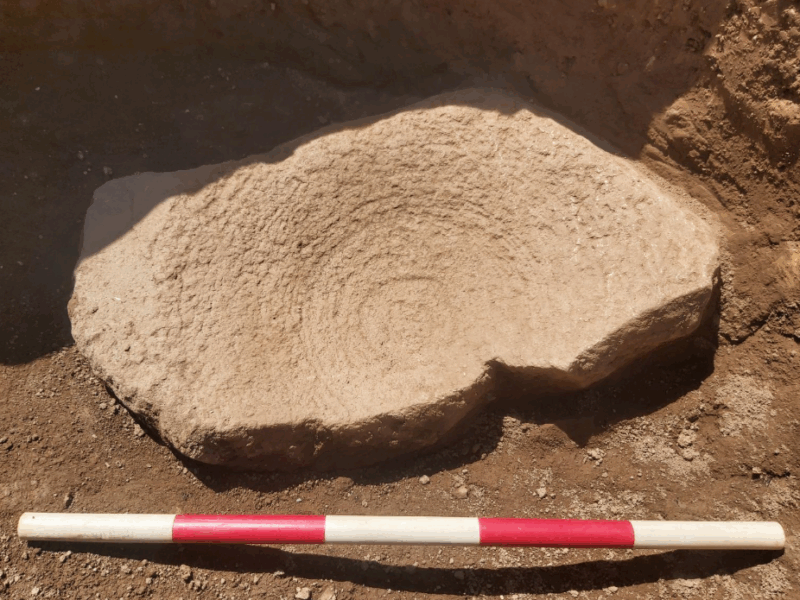
  • Includes: radiocarbon dating, artefact conservation, environmental sampling (grain, charcoal, pollen).
  • Comprehensive excavation reports will be produced, followed by a published book on the M28 archaeology.

  • All artefacts, records, and digital archives will be permanently curated by the relevant statutory authorities.
See the interactive display below to explore some of the most interesting discoveries along the M28 route.

Early MedievalComplex Souterrain Fulachtaí Fia Charcoal Kiln “Ha-Ha” Ditches 17th Century Forge Early Neolithic House Medieval Moated Enclosure Early Medieval Complex Prehistoric Ring Ditch Bronze Age Cemetery

Surveys & Geophysics

  • 76ha scanned for buried archaeology
  • Geophysics + built heritage + watercourse surveys
  • Mapping the landscape before construction

Test Trenching

  • 55km of trenches opened across the route
  • 12% sample coverage of all lands
  • 127 features identified → 38 archaeological sites

Excavation Phase

  • 38 sites excavated (2022–24)
  • Finds from prehistory to early modern
  • Major discoveries showcased on the site

Post-Excavation & Legacy

  • Specialist analysis now underway radiocarbon dating, lab work & reporting
  • Findings to be published & archived for future study

Archaeological Discoveries

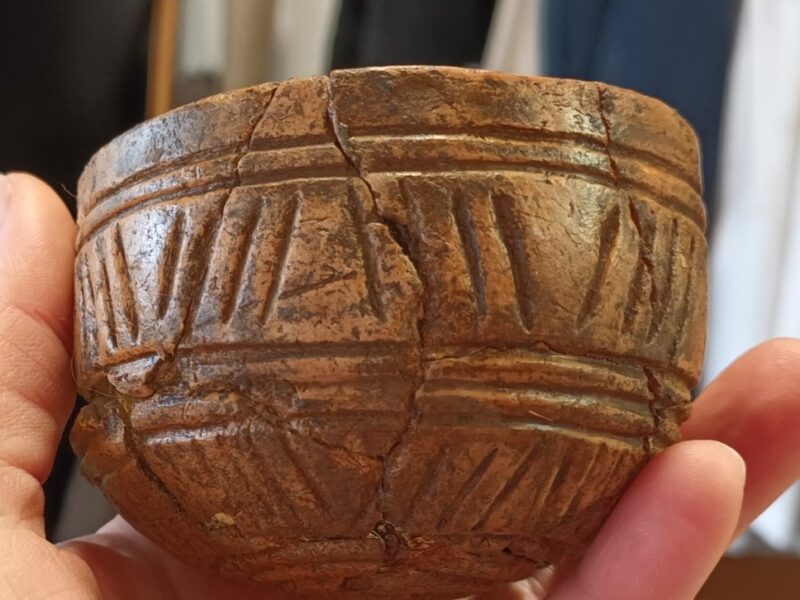
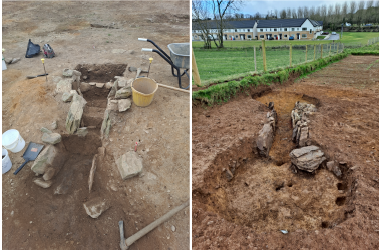
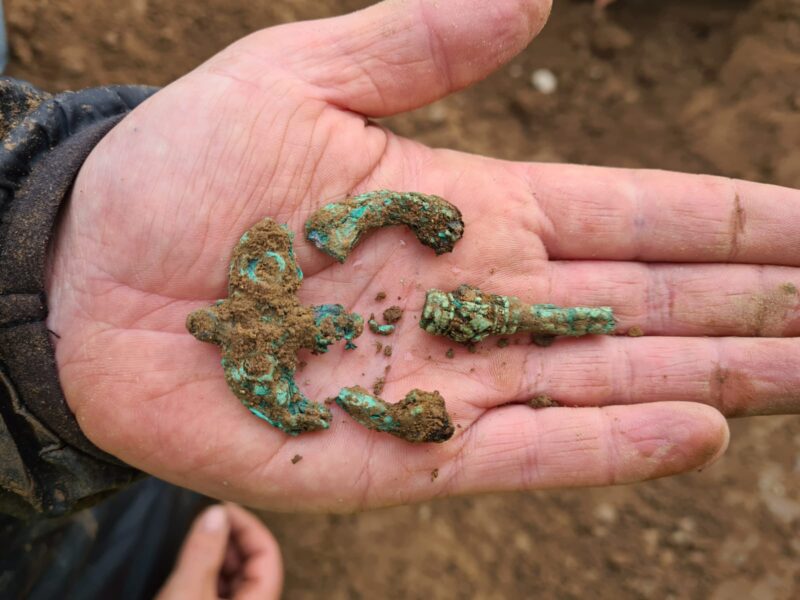
Some 14 archaeological finds have been made during the project to date. To view full information on each find, please view this page
See More

Project Partners