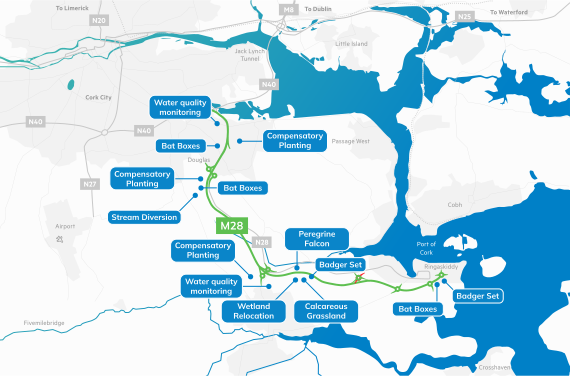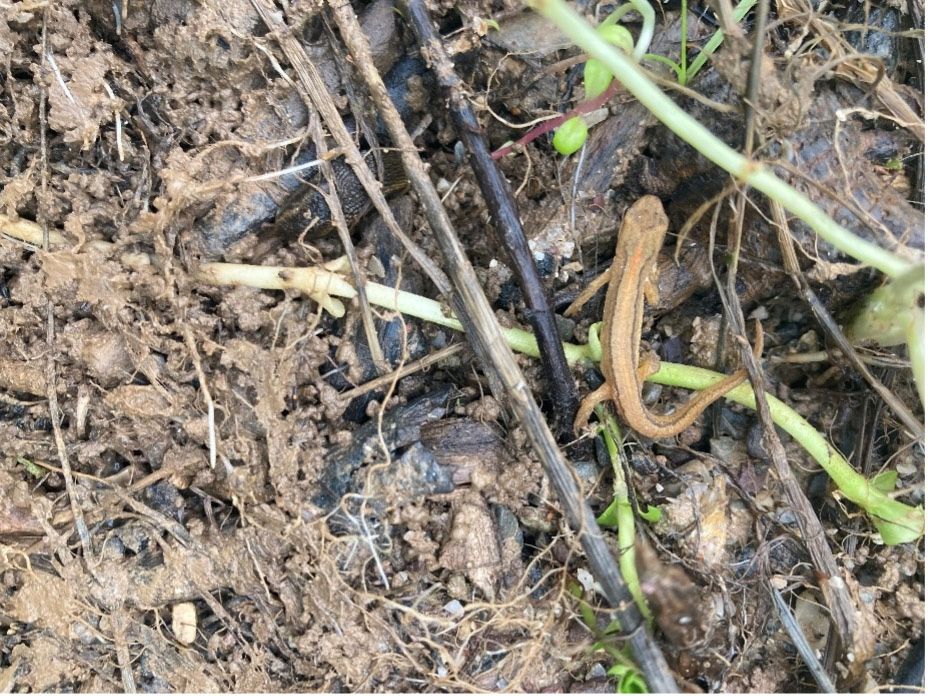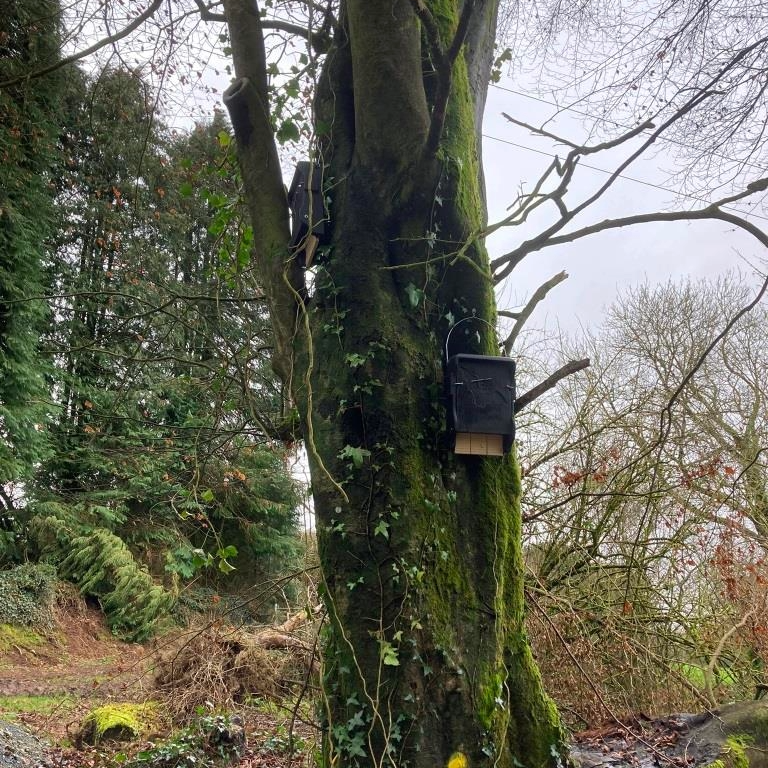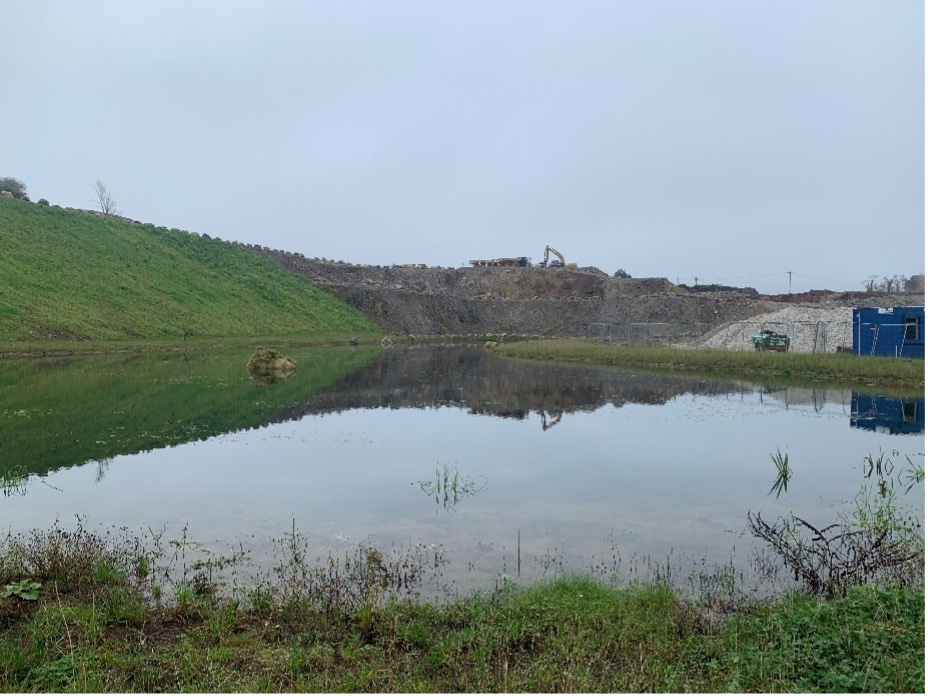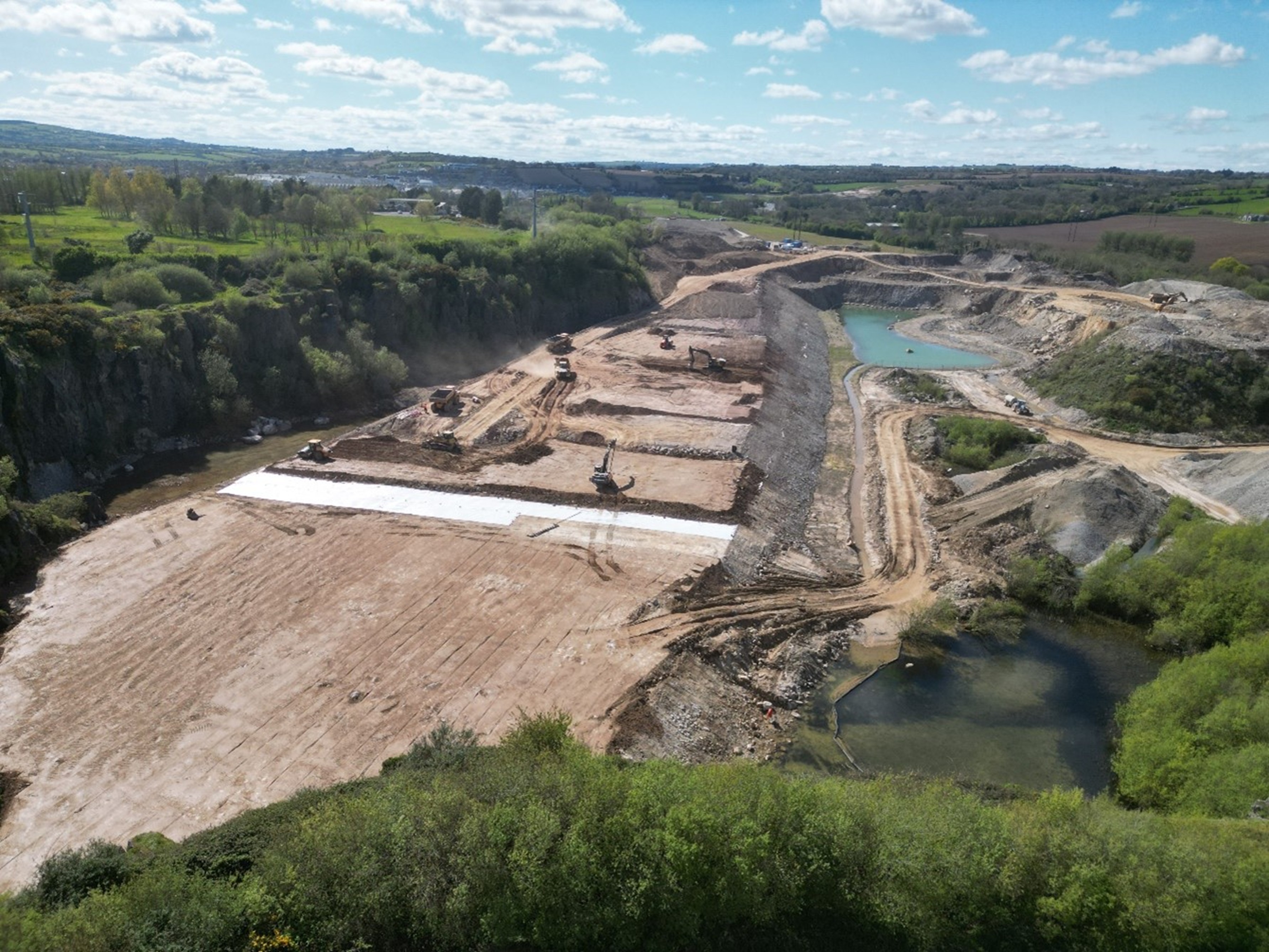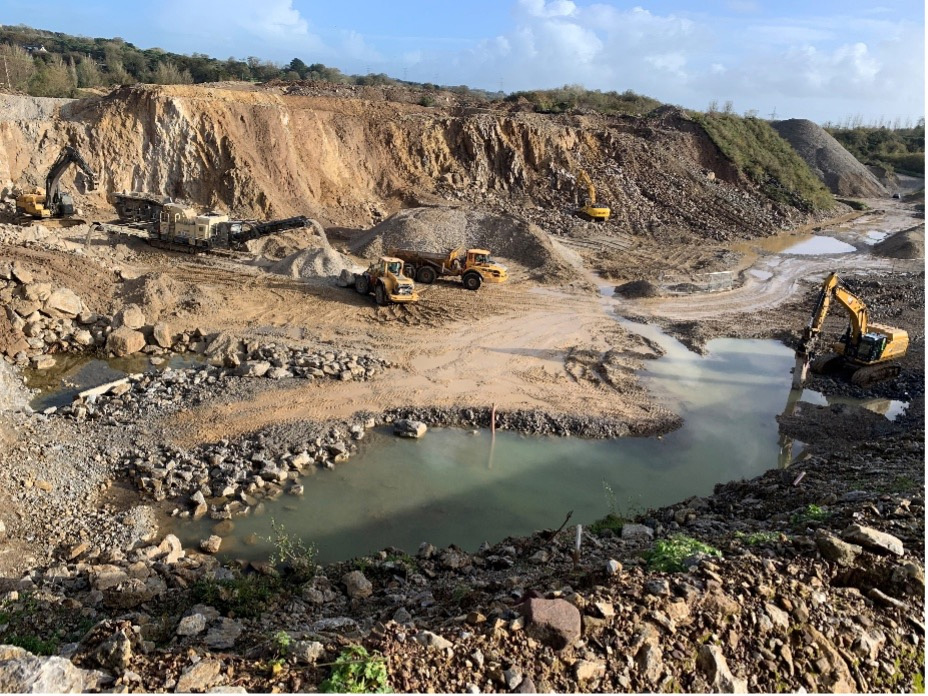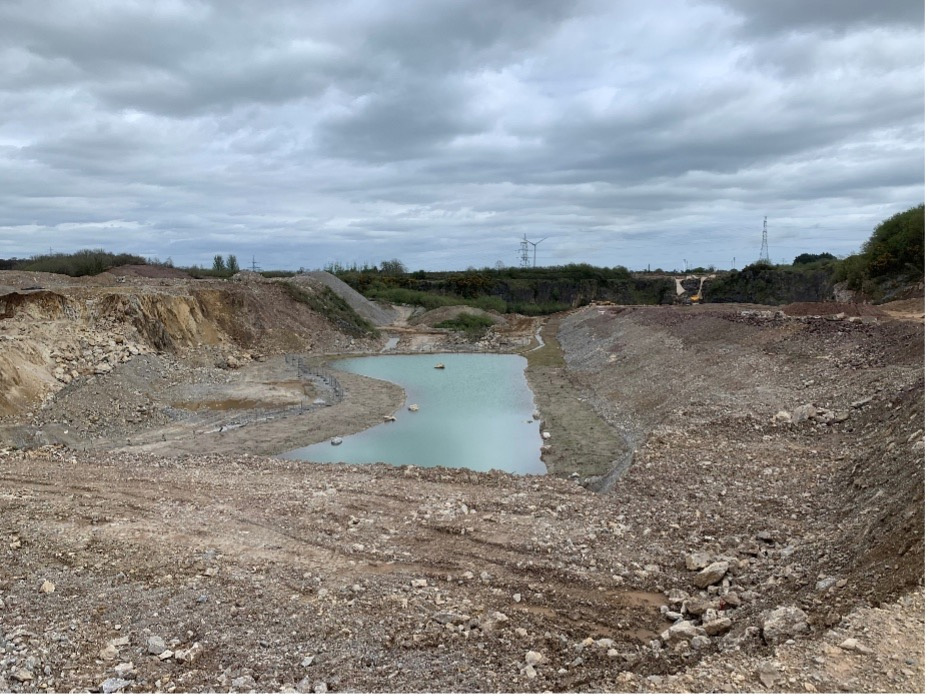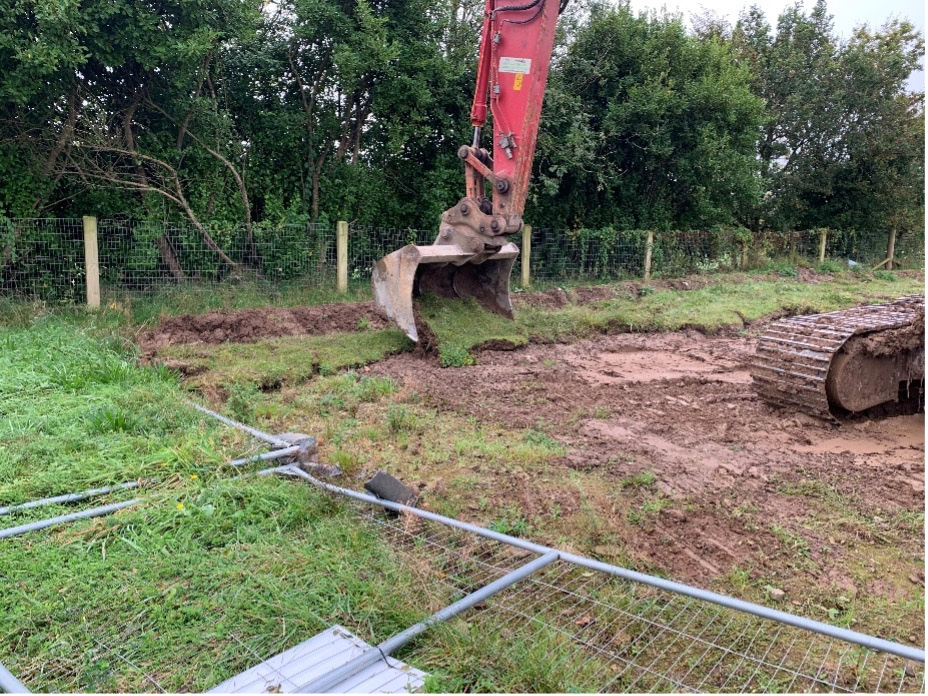

Major infrastructure projects must be delivered in a way that avoids, minimises or compensates for impacts on the natural environment. For the M28, the EIS identified a range of sensitive habitats and protected species along the route, which in turn shaped a detailed programme of ecological assessment, mitigation and ongoing monitoring.
Specialist ecologists were appointed from the outset to survey habitats, monitor protected species and design measures that maintain ecological connectivity during and after construction. These considerations were built into the scheme at an early stage, so that engineering design, drainage, earthworks and landscaping all respond to the ecological needs of the corridor rather than working against them.
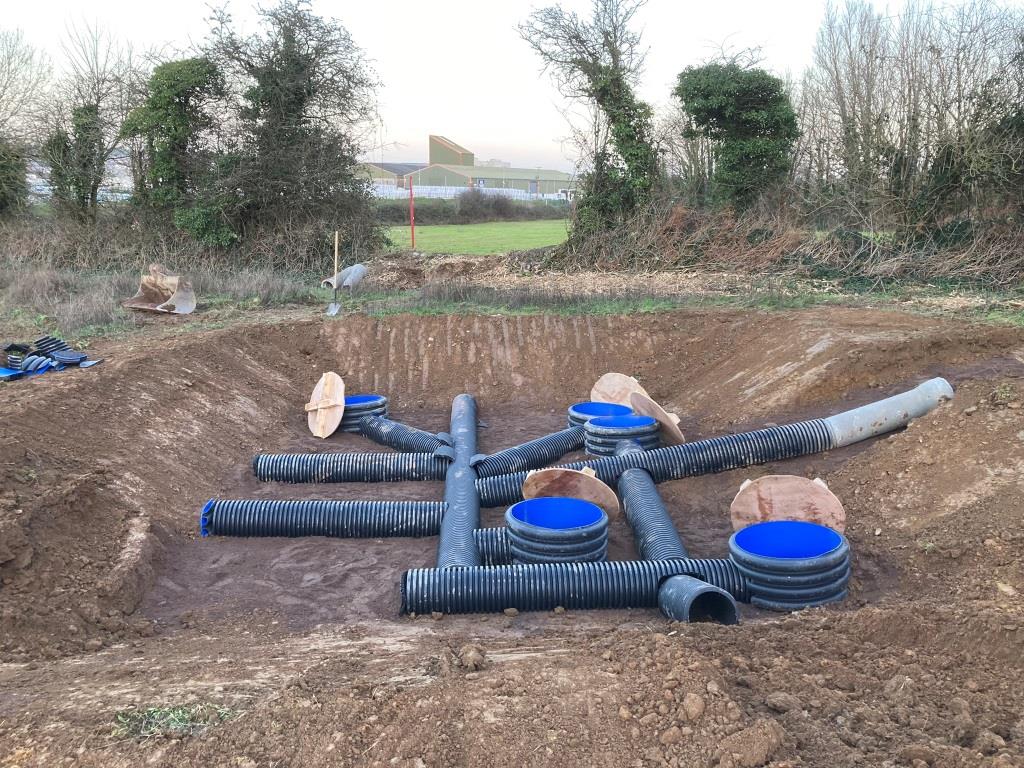
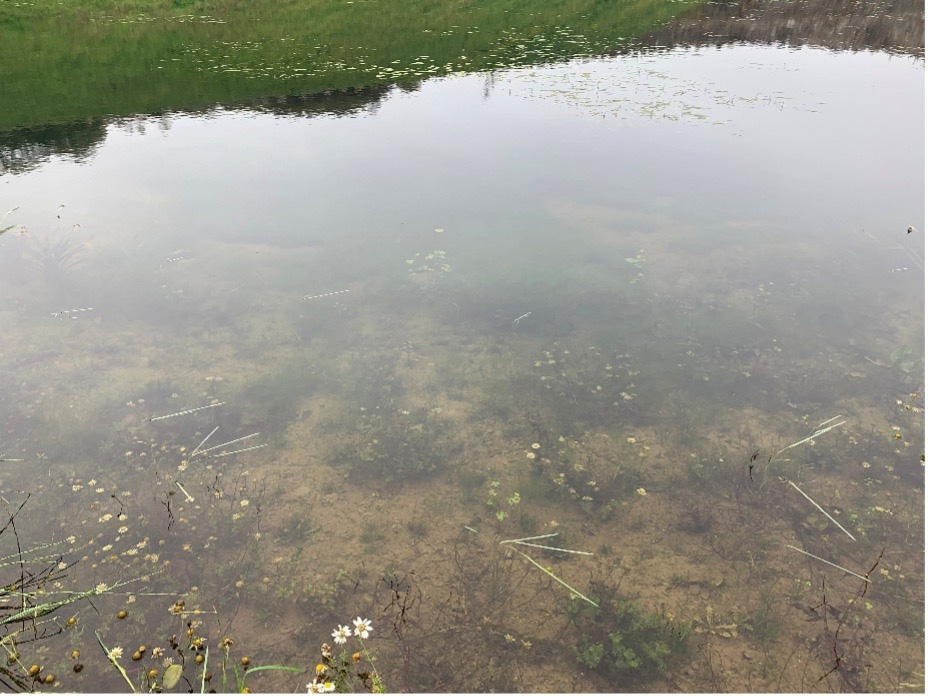
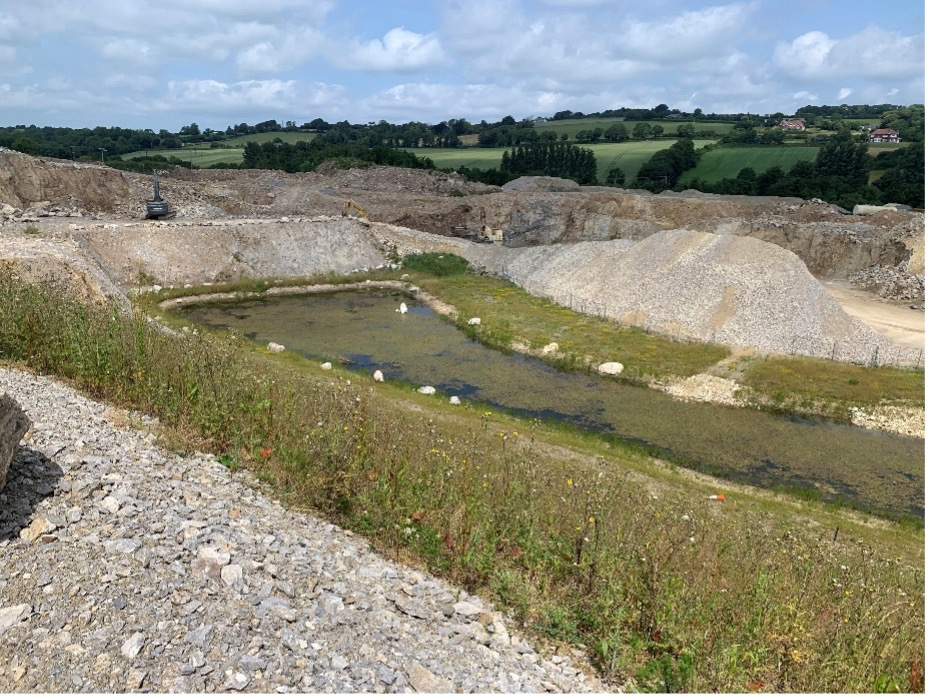
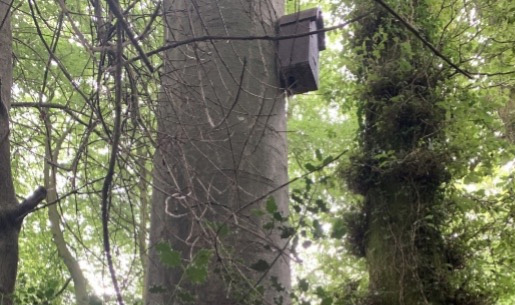
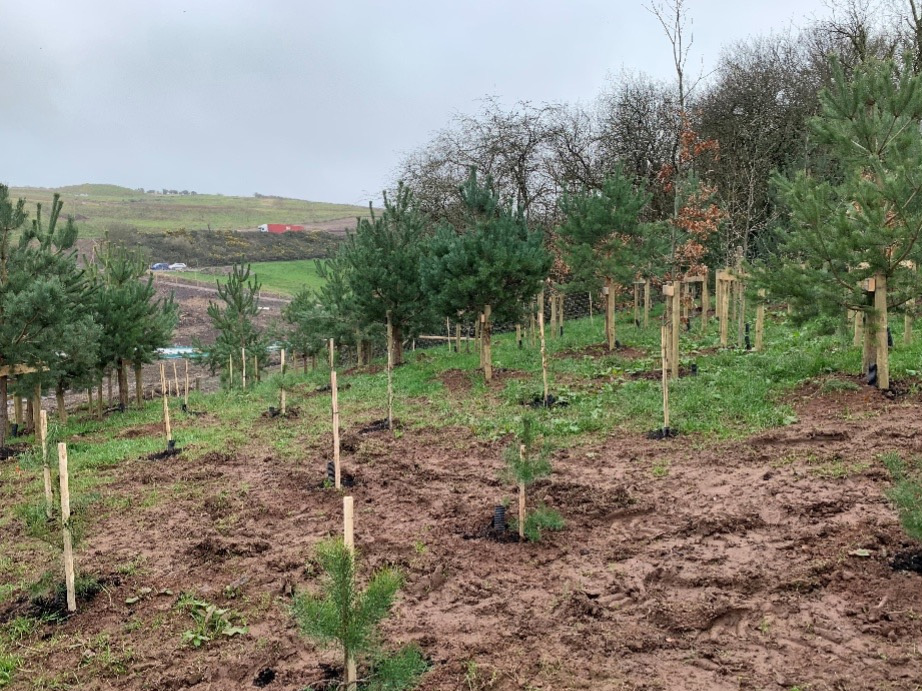
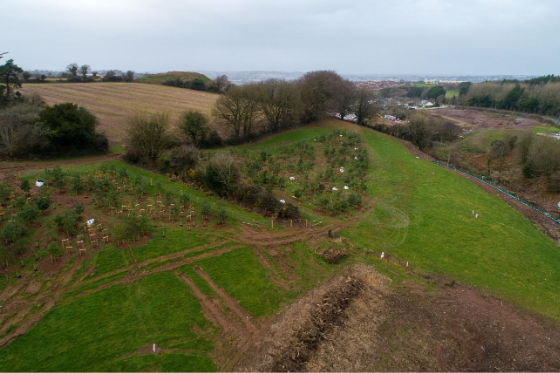
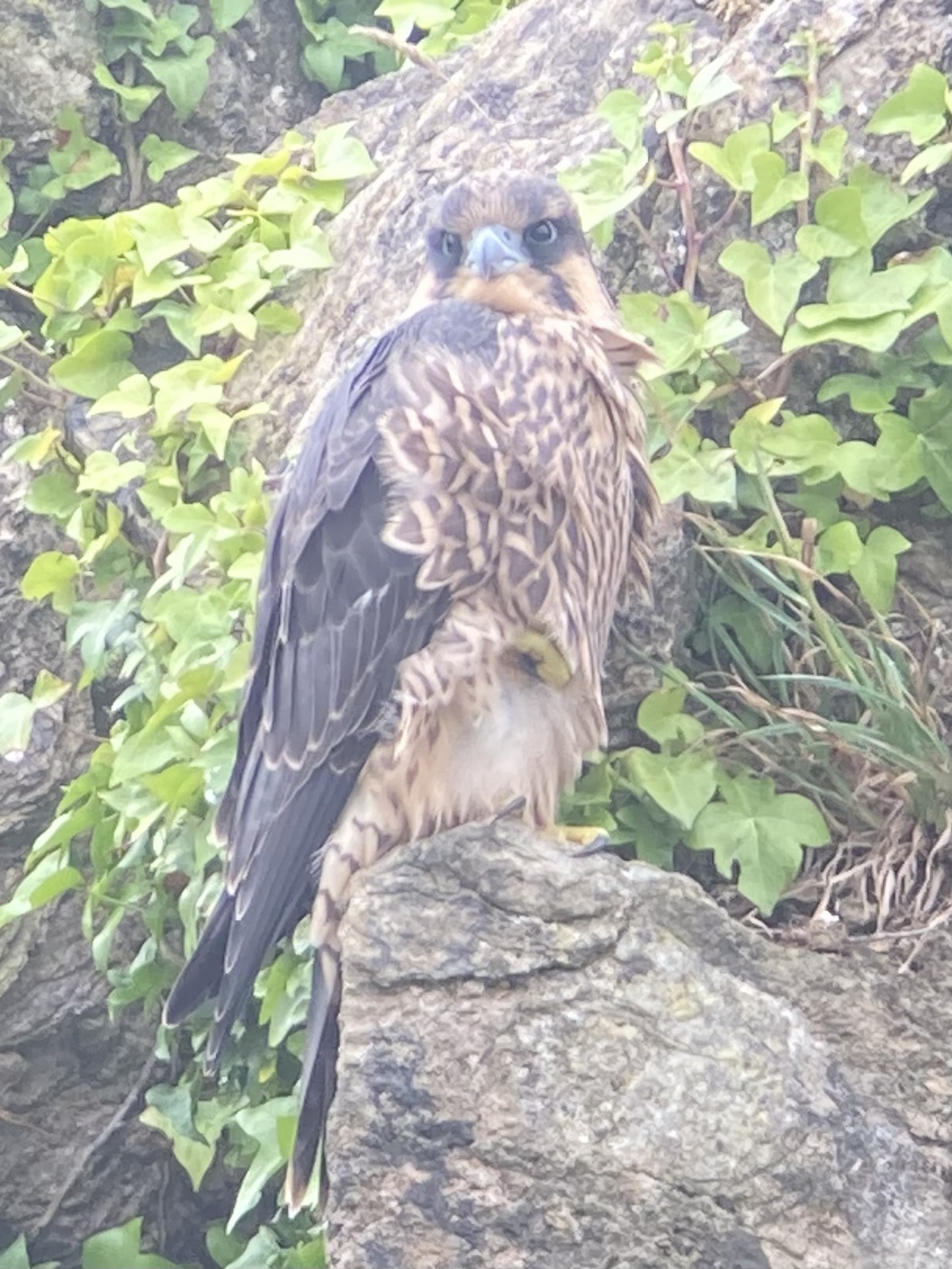
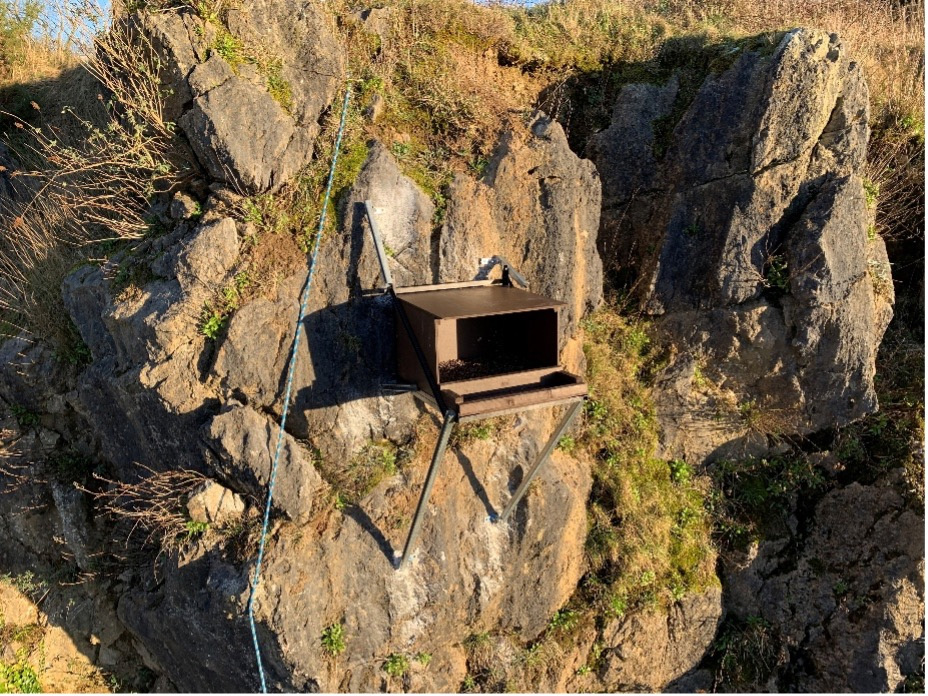
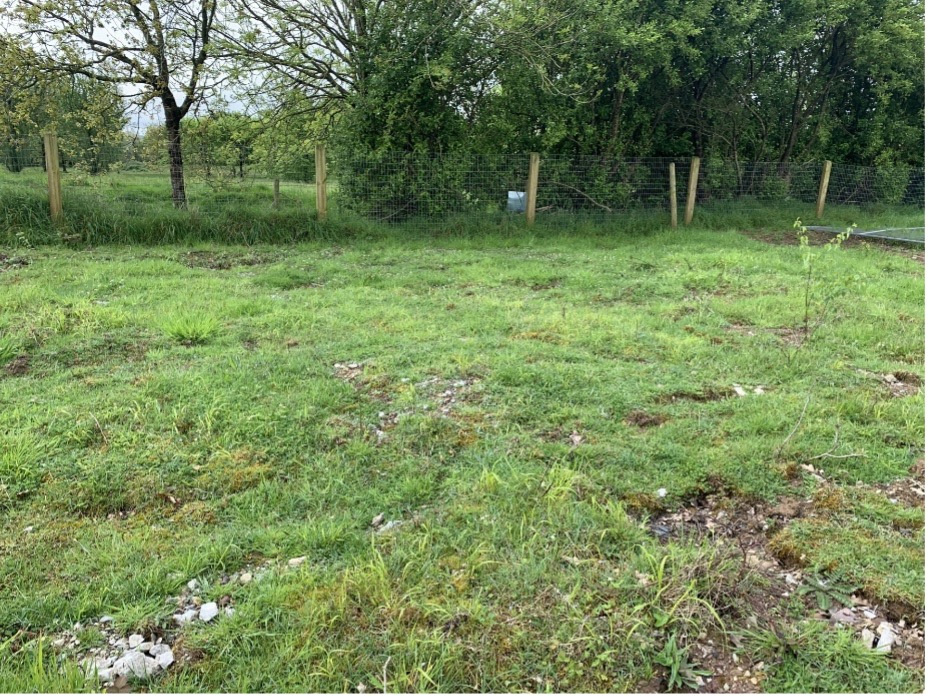
As a result, the M28 includes a series of targeted environmental protections – from relocating sensitive habitats and creating new wetlands, to providing safe routes for wildlife movement and enhancing biodiversity through native planting.
Explore the key ecological measures below to learn more about how the project is safeguarding the natural landscape.