Introduction
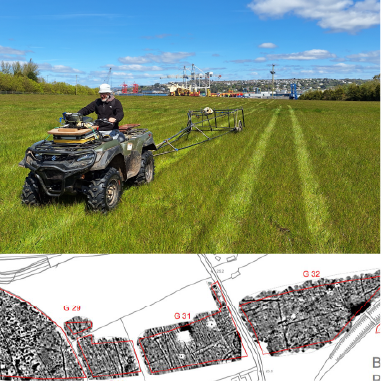
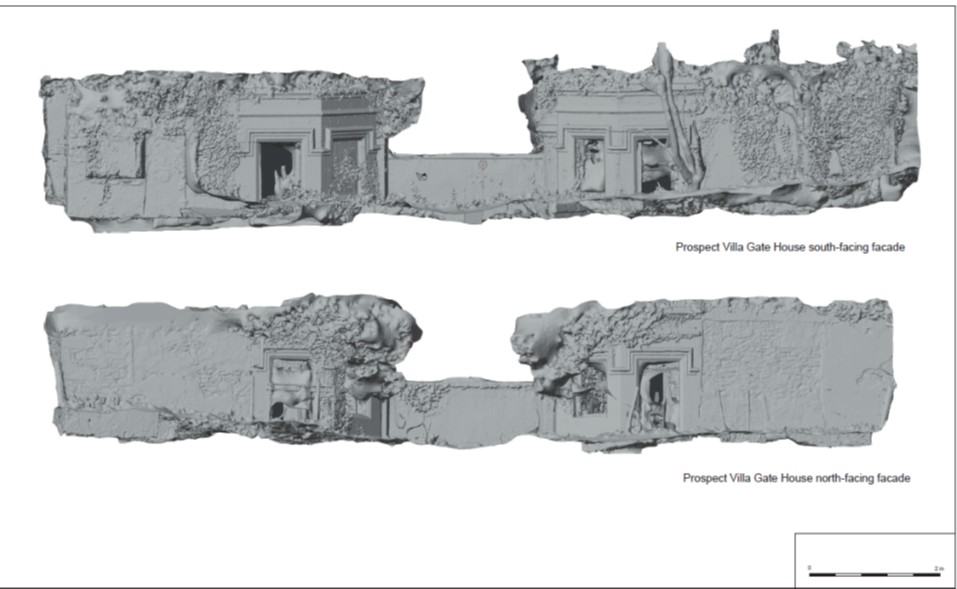
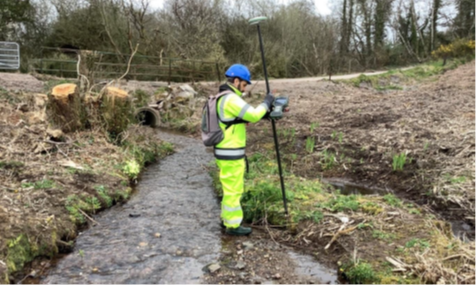
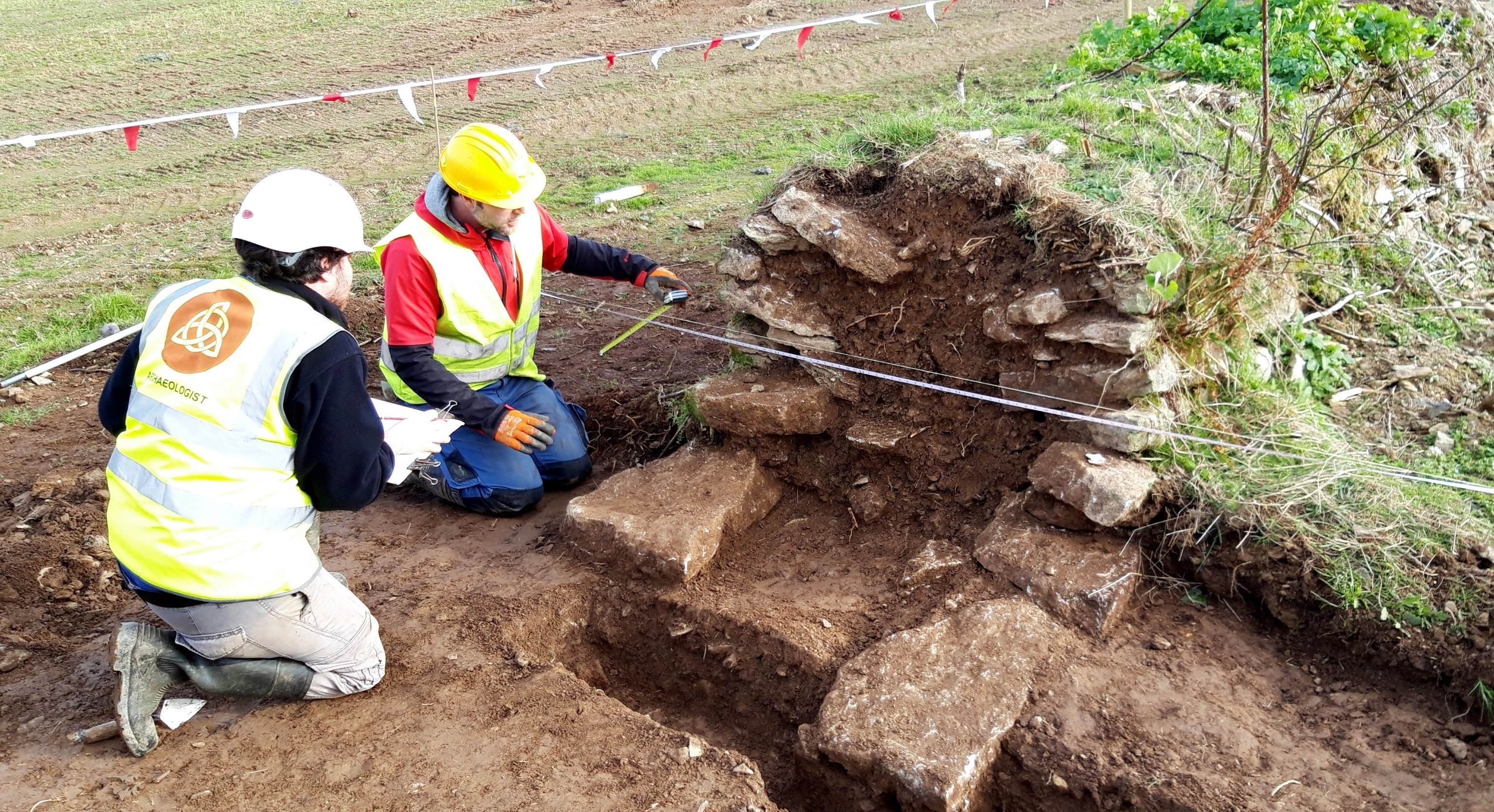
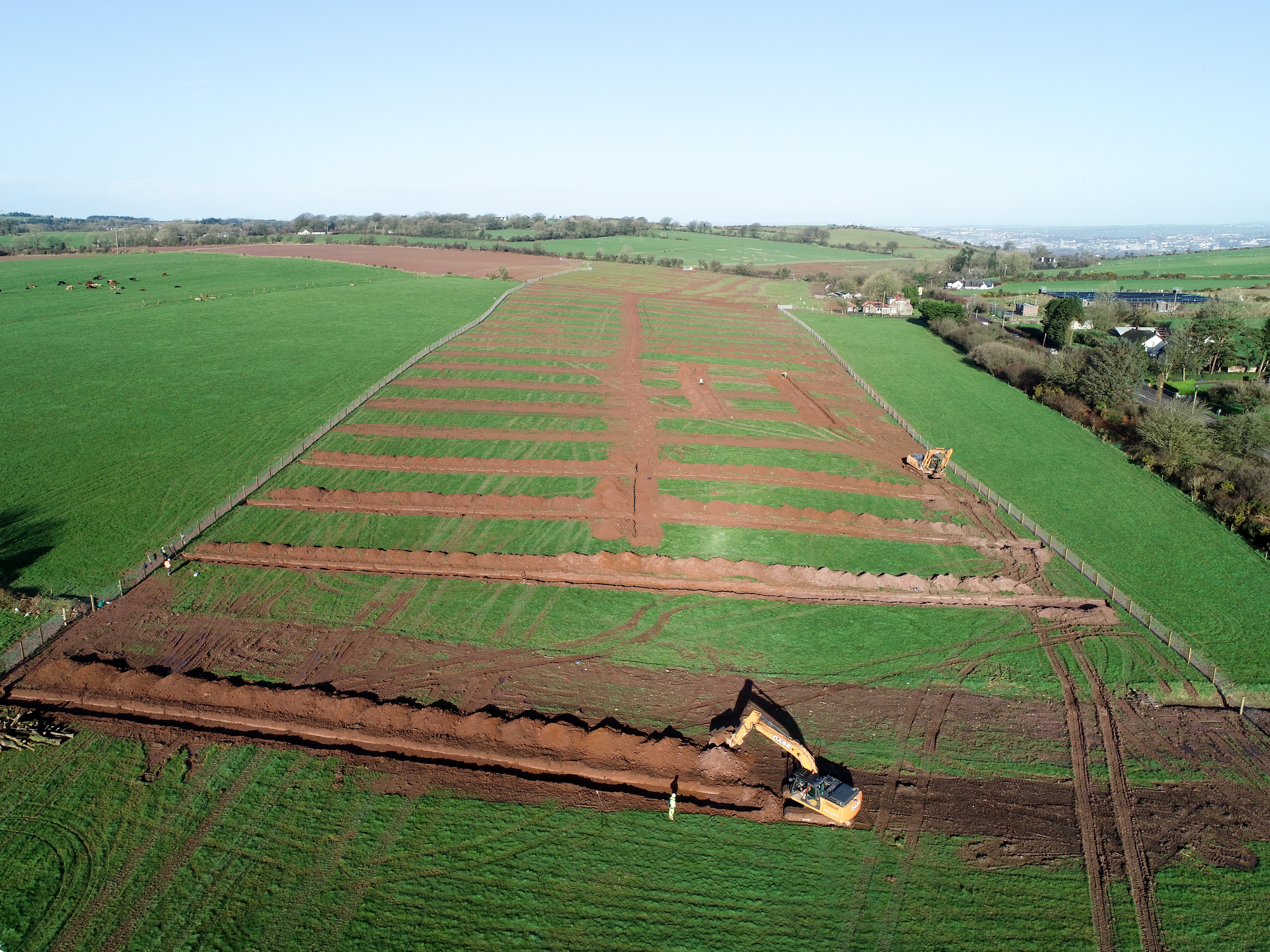
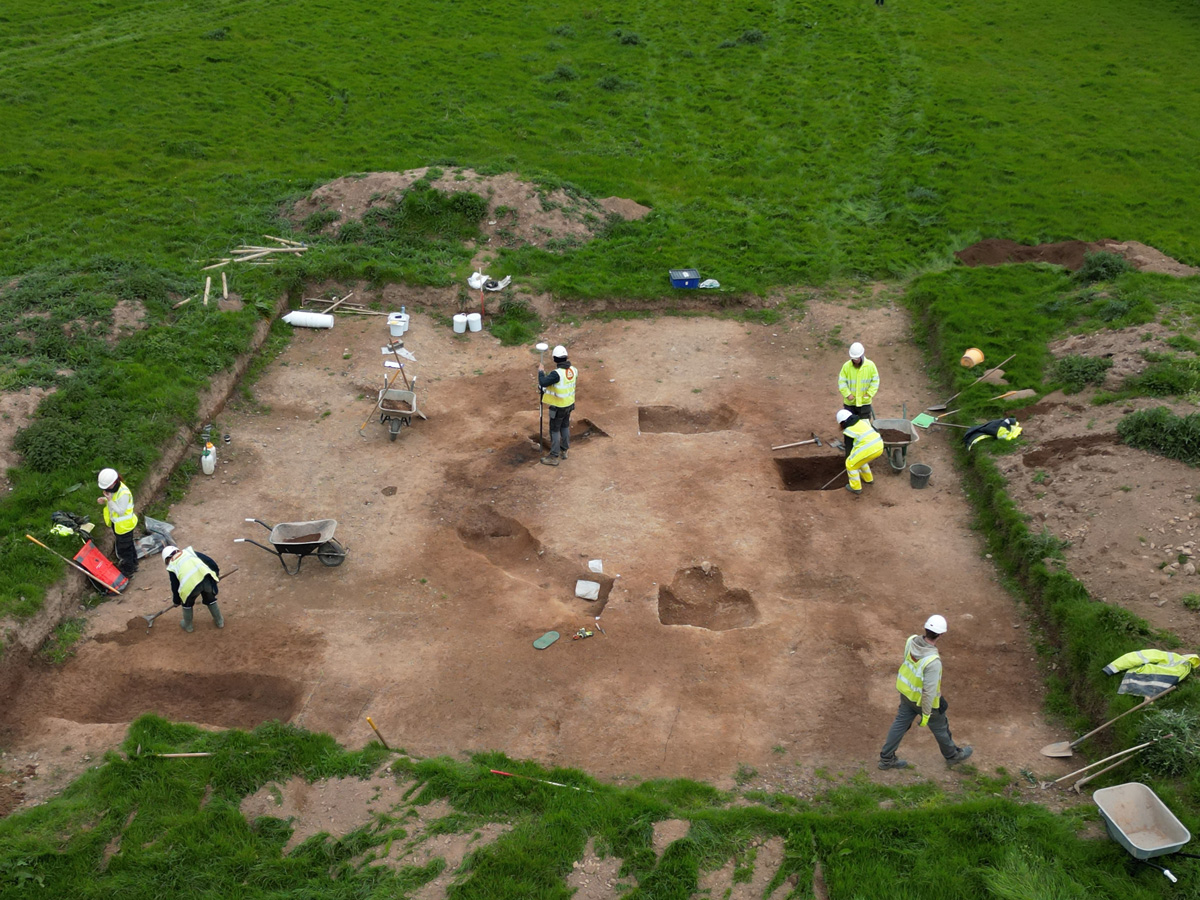
While only two recorded archaeological sites were known to exist within the proposed development footprint of the M28 Cork to Ringaskiddy Project prior to development, the Environmental Impact Statement (EIS) acknowledged the potential for the project to impact on buried, unknown archaeological remains. To this end, the EIS proposed a managed programme of archaeological mitigation measures to first identify and then preserve by record any such remains as may be found to exist. These mitigation measures were approved by An Bórd Pleanála when granting approval for the scheme and are in line with the 2017 Code of Practice for Archaeology agreed between the Minister for Arts, Heritage, Regional, Rural and Gaeltacht Affairs and Transport Infrastructure Ireland. To oversee all archaeological investigations, Transport Infrastructure Ireland assigned a Project Archaeologist to the scheme and Cork County Council appointed a Resident Archaeologist. In line with the National Monuments (Amendments) Act 1930-2014, all archaeological investigations were undertaken under the terms of directions issued by the Minister of Housing, Local Government and Heritage, in consultation with the National Museum of Ireland, and as per methodologies agreed with the National Monuments Service.